Innovation
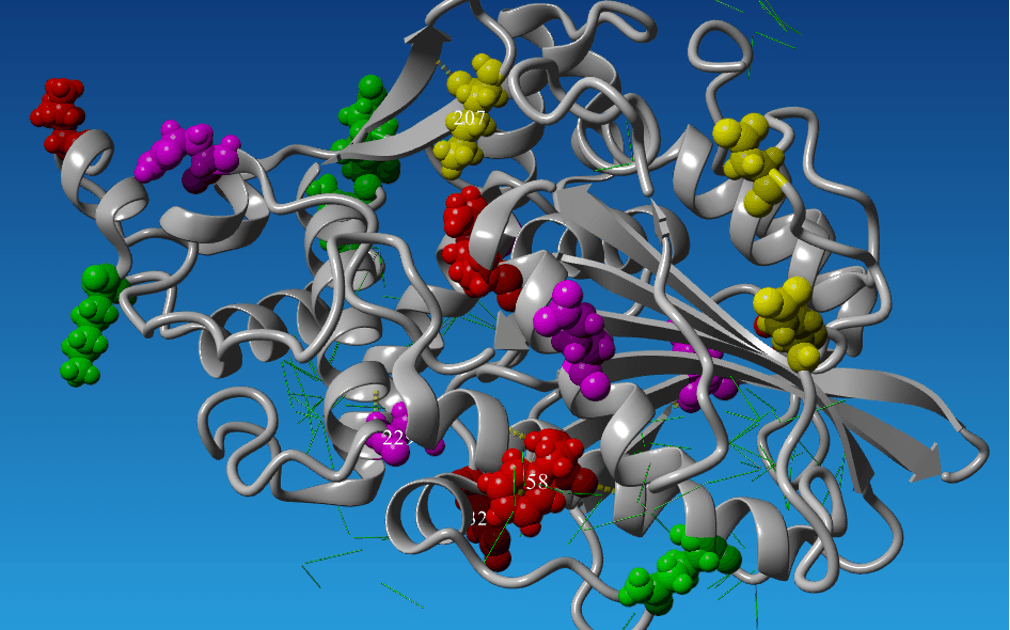
How did Bio-Prodict develop the best mutation AI prediction platform in the world?
Healthcare systems globally face mounting pressures: escalating costs, an aging population, and a shortage of skilled personnel. These factors threaten care delivery and equitable access. To address this, the sector must pivot toward a productivity-driven model emphasizing efficiency and improved outcomes.

This transformation hinges on prioritizing preventive care, facilitating early diagnosis through advanced biomarkers, tailoring therapies via personalized medicine, and enabling continuous patient monitoring beyond traditional settings. Integrating smart automation within hospitals, leveraging sensors and actuators to streamline workflows, is equally crucial.
Technological innovation is essential. When thoughtfully implemented, it alleviates workforce pressures, enhances patient outcomes, and curbs costs. Advancing healthcare productivity through innovation is foundational to building a resilient, accessible system.
TNO is at the forefront, committed to delivering impactful innovations addressing modern healthcare challenges. With a multidisciplinary approach, TNO offers a diverse portfolio of cutting-edge technologies. Key areas include digital therapeutics, wearable health technologies, retinal oximetry imaging, integrated photonics-based diagnostics, and personalized medicine through 3D printing. TNO also focuses on privacy-preserving ICT solutions, ensuring secure data use.
Together, these technologies represent a cohesive strategy to reshape healthcare delivery.
Digital Biomarkers
Innovative health measurements, like wearable sensor technology, play an essential role in remote healthcare and research. TNO develops validated digital biomarkers for chronic diseases, including cardiovascular disease, diabetes, autoimmune diseases, and sleep disorders. TNO’s infrastructure supports remote data collection from wearables and apps, enabling real-time feedback in clinical studies. Collaborating with patients, professionals, pharma, and medTech companies, TNO co-creates biomarkers rooted in patient engagement.
Photonic Medical Devices
Non-invasive devices provide easy access for diagnosis and monitoring. TNO uses light to create innovative devices. Light travels through tissue, is absorbed by molecules and scattered in different directions. Such effects detect health biomarkers like oxygen saturation, vessel diameter and bilirubin concentration. TOMCA® designs optical devices measuring health uniquely. Examples include a fundus camera imaging retinal oxygen distribution or a wearable monitoring vasoconstriction. Integrated photonics and ultrasound expertise gave birth to the IPUT®, a highly sensitive transducer increasing ultrasound image resolution, enabling precise, non-invasive early detection.
TNO Holst Centre
The TNO Holst Centre in Eindhoven is a hub for innovation in microelectronics and photonics, pioneering wearable technology for healthcare. Collaborating with international partners, the Centre translates research into scalable solutions. Leveraging printed electronics, hybrid integration, and photonics, Holst Centre enables platforms like vital sign monitoring patches, smart wound care systems, wearable ultrasound devices, and photonic biosensors. Collaborating through hubs like Chip Integration Technology Centre (CITC) and Photonic Integration Technology Centre (PITC), the Centre accelerates innovation with proven success, such as developing an ECG monitoring patch with Philips and other companies.
Holst Centre focuses on addressing healthcare needs through:
Smart wound care with integrated sensors
Wearable ultrasound systems for diagnostics
Sensor-enabled smart catheters
Ultrasensitive biosensors for infection detection
Supported by initiatives like NextGen HighTech and PhotonDelta, and projects like PhotonMed, Holst Centre aims to bring groundbreaking technologies to clinical practice.
3D Pharma Printing
TNO’s EFAM group develops 3D pharmaceutical printing for personalized medications. Using semi-solid extrusion technology, this approach enables flexible manufacturing of tailored tablets. In collaboration with Erasmus MC, TNO installed a 3D printer in a hospital pharmacy for pediatric patients. Research is expanding to other patient groups, with 3D-printed medication expected soon.
Privacy Enhancing Technologies
Healthcare data is sensitive and must be handled carefully. Privacy Enhancing Technologies ensure data is kept at its source, sharing only aggregated or anonymized results through advanced algorithms and cryptographic methods. TNO furthers research and deployment of these technologies to address data sharing challenges, aiming to transform healthcare delivery, making it more efficient, accessible, and personalized.